
Mold growth in your property can escalate quickly, leading to health risks and structural damage. When mold strikes, addressing it promptly with an emergency mold inspection is critical. Understanding the importance of this process can help protect your home, business, and overall well-being.
Why Emergency Mold Inspections Are Crucial
- Health Concerns: Exposure to mold spores can cause respiratory issues, allergic reactions, and even chronic illnesses in vulnerable individuals such as children or those with compromised immune systems.
- Structural Damage: Mold can weaken building materials like wood, drywall, and insulation over time. This reduces the structural integrity of your property.
- Decreased Property Value: A property with visible or widespread mold issues becomes less attractive to buyers or tenants.
Addressing mold through an emergency inspection ensures that these risks are identified early and managed effectively.
Indicators That You Need an Emergency Inspection
- Black or green patches on walls, ceilings, or floors.
- Discoloration around wet areas (e.g., under sinks or around windows).
- A persistent damp smell could signal hidden mold growth behind walls or in ductwork.
- Chronic coughing, sneezing, watery eyes, or skin irritation may point to mold exposure.
- Recent floods or leaks create prime conditions for rapid mold development.
- Consistently high indoor humidity (above 60%) is a red flag for potential problems.
The Role of Professionals in Emergency Inspections
While DIY methods for detecting mold exist—such as at-home test kits—these solutions often lack the accuracy needed for effective remediation planning. Professional inspectors bring expertise and advanced tools like infrared cameras and moisture meters to locate both visible and hidden sources of mold growth.
They also conduct air quality tests to determine spore concentrations indoors versus outdoors.
| DIY Testing | Professional Inspection |
| Limited accuracy | Comprehensive evaluation |
| No specialized tools | Advanced equipment |
| May miss hidden issues | Detects hard-to-reach areas |
By opting for a professional emergency inspection when facing potential mold problems, you gain reliable insights into the extent of contamination on your property.
Benefits of Acting Quickly
- The longer you wait, the more expensive repairs become due to increased damage.
- Health risks grow as spore counts rise.
- Remediation timelines lengthen if infestation spreads across multiple areas of a building.
Acting swiftly not only saves money but also ensures a healthier environment for occupants.
When faced with potential mold problems on your property, recognizing the importance of an emergency inspection equips you with knowledge to act decisively before matters spiral out of control.
Understanding the Urgency of Lakeland, FL Mold Removal and How to Take Action
Mold growth in homes or commercial properties is more than just an unsightly problem. It can compromise the structural integrity of your property, harm indoor air quality, and have serious health implications for occupants. Acting quickly when mold invades your space is critical to minimizing damage and ensuring a safe environment.
Understanding the Risks of Delayed Mold Remediation Lakeland, FL
- Health Complications: Mold releases spores that can trigger allergies, respiratory issues, and other health concerns. Prolonged exposure may exacerbate symptoms such as coughing, sneezing, asthma attacks, and skin irritation.
- Structural Damage: Mold feeds on organic materials like wood, drywall, and insulation. Over time, it weakens these structures and necessitates costly repairs or replacements.
- Spread of Mold: Mold reproduces quickly in humid environments. Delayed action allows it to spread throughout your property, increasing the scope of remediation efforts required.
Urgent Signs You Need Mold Testing Lakeland, FL
- Persistent musty odors
- Visible dark spots on walls or ceilings
- Increased allergy-like symptoms among occupants
- Unexplained water stains or leaks
- Warped walls or floors indicating moisture buildup
Effective Lakeland Mold Removal Services and Time-Sensitive Actions to Consider
- Identify the Source of Moisture
Mold thrives in moist environments; finding and stopping the source (e.g., leaky pipes, roof damage) is critical to halting its growth. - Schedule an Emergency Mold Inspection
Professional inspections provide a thorough assessment of affected areas and identify hidden mold colonies not visible to the naked eye. - Isolate Affected Areas
To prevent the spread of spores during inspection and remediation processes: - Seal off contaminated areas using plastic sheeting.
- Turn off HVAC systems in affected zones.
- Avoid DIY Remedies
While cleaning small patches with household solutions might seem tempting, improper handling can disperse spores further into your home. - Document Everything
Take photos or videos for insurance purposes if filing a claim related to water damage or mold remediation costs.
| Action | Purpose | Example Tools/Products Needed |
| Identify Moisture Source | Prevent continued mold growth | Flashlight, moisture meter |
| Schedule Inspection | Determine full extent of infestation | Certified mold inspector |
| Isolate Affected Areas | Contain contamination | Plastic sheeting & tape |
The Role of Professional Help
- Conducting detailed assessments using advanced tools like thermal imaging cameras.
- Offering solutions tailored to your property’s specific needs.
- Implementing containment strategies during removal efforts for maximum safety.
Timely action combined with professional expertise ensures that mold-related issues are resolved quickly before they escalate further into long-term problems that are harder—and more expensive—to address later on.
Step-by-Step Guide to Emergency Mold Inspection Protocols
Taking swift and appropriate action when mold is suspected is essential to prevent further damage and health risks. Emergency mold inspection involves a structured approach that ensures the issue is properly identified, assessed, and managed. Below is a step-by-step guide to the protocols followed during an emergency mold inspection.
1. Initial Assessment
Before diving into the inspection itself, it’s important to conduct an initial assessment of the situation to determine the severity of the problem.
- Visible growth on walls, ceilings, or other surfaces
- Musty or damp odors in certain areas
- Water stains or discoloration on walls or floors
- Increased respiratory issues among occupants
- Gathering Information: Homeowners or property managers should provide details such as recent water damage incidents, leaks, or flooding history that could have triggered mold growth.
2. Containment of Affected Area
- Use plastic sheeting and tape to seal off spaces where mold is present.
- Turn off HVAC systems temporarily in impacted areas to prevent air circulation from spreading spores.
- Restrict access to affected zones until full inspection and remediation are complete.
3. Personal Protective Equipment (PPE) Usage
| PPE Item | Purpose | Examples |
| Respirators | Prevent inhalation of harmful spores | N95 masks or full-face respirators |
| Gloves | Protect hands from contaminants | Nitrile or latex gloves |
| Protective clothing | Minimize skin exposure | Tyvek suits |
4. Visual Inspection
- Inspect common problem spots such as basements, attics, bathrooms, kitchens, and crawl spaces.
- Use flashlights to examine dark corners and hidden spaces like behind furniture or inside cabinets.
- Check for signs of water intrusion such as wet surfaces, peeling paint, warped wood, or bulging drywall.
5. Moisture Mapping Using Tools
- Thermal Imaging Cameras – Reveal temperature anomalies that indicate potential moisture buildup.
- Moisture Meters – Measure water content in building materials like wood, drywall, and concrete.
6. Sampling Methods (If Necessary)
- Air Sampling – Determines spore concentration in different parts of the property.
- Surface Sampling – Uses swabs or tape lifts from suspected surfaces for laboratory analysis.
- Bulk Sampling – Involves collecting pieces of material (e.g., drywall) directly for testing.
This data helps differentiate between types of molds present (e.g., allergenic vs toxic molds).
7. Documentation and Reporting
- Photograph every identified issue alongside notes about size and location.
- Record environmental conditions such as indoor humidity levels at various points during inspection.
- Provide clients with detailed reports summarizing findings along with recommendations for remediation.
Monitoring After Inspection
-Regularly monitor problem-prone areas until repairs/remediation occurs .
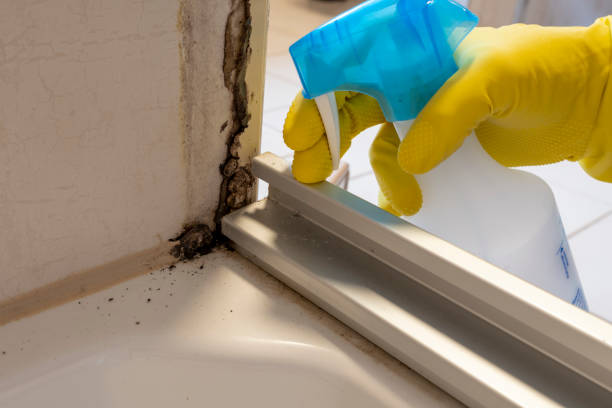
Post-Inspection Actions: Moving From Mold Test Results to Effective Remediation
After completing a mold inspection, receiving the results is just the beginning. The real challenge lies in interpreting those results and developing an effective remediation plan to ensure the safety and health of your property’s occupants. This process involves careful planning, prioritization, and communication with qualified professionals. Below is a detailed guide to help you move from mold test results to actionable remediation strategies.
Assessing Your Mold Test Results
Understanding your mold test report is critical before taking any action. Mold tests typically provide information about:
– Mold Species Identified: Certain molds, such as Stachybotrys chartarum (black mold), are more harmful than others.
– Spore Concentration Levels: High levels of airborne spores indicate active growth and contamination risks.
– Location of Contamination: Knowing specific areas of infestation helps target remediation efforts effectively.
Take time to review the report with your inspector or an environmental specialist who can clarify technical details and suggest the appropriate next steps.
Prioritizing Areas for Remediation
- High-Risk Zones – Spaces with active leaks, visible signs of mold growth, or high spore concentrations should be addressed immediately. These areas pose significant health risks if left untreated.
- Moderate-Risk Zones – Rooms or spaces adjacent to contaminated areas that may show early signs of mold but lack widespread growth yet should be monitored closely during remediation.
- Low-Risk Zones – Areas without current contamination but where preventive measures like dehumidification or improved ventilation would help avoid future problems.
Using this tiered approach ensures that resources are focused where they’re needed most.
Developing a Tailored Remediation Plan
- Use plastic sheeting and negative air pressure systems to isolate infected spaces during cleanup.
- Seal off HVAC systems to prevent spore spread through air circulation.
- Non-porous materials like glass or metal can often be cleaned with detergent solutions.
- Porous materials such as drywall may need removal if deeply contaminated.
- Fix underlying issues contributing to moisture buildup, such as plumbing leaks or structural leaks.
- Install dehumidifiers in humid environments or improve ventilation systems where airflow is inadequate.
| Material Type | Cleaning Method | Replacement Needed? |
| Non-Porous (e.g., Tile) | Chemical Cleaning + Scrubbing | Rarely Required |
| Semi-Porous (e.g., Wood) | HEPA Vacuum + Solution Treatment | Sometimes (If Damage Is Extensive) |
| Porous (e.g., Carpet) | HEPA Vacuum + Removal | Often Recommended |
Consulting professional remediation teams ensures that these steps are completed according to industry standards like those outlined by IICRC S520 guidelines for mold damage restoration.
Monitoring Progress During Remediation
Effective communication throughout the process is essential for success:
1. Request regular updates from contractors regarding progress milestones. 2. Use follow-up tests post-remediation to confirm that spore levels have returned to safe thresholds. 3. Keep documentation for insurance purposes and future reference regarding resolved issues.
By staying involved during each phase—inspection interpretation, prioritization, planning, execution—you can ensure long-term outcomes protecting both property value and occupant health adequately without shortcuts taken in addressing hidden dangers potentially arising elsewhere later untreated
Questions to Ask Before Hiring a Professional for an Emergency Mold Inspection
1. Are You Certified or Licensed for Mold Inspection?
Start by confirming whether the professional holds relevant certifications or licenses to perform mold inspections in your area. Common certifications include:
– NORMI (National Organization of Remediators and Mold Inspectors)
– ACAC (American Council for Accredited Certification)
– IICRC (Institute of Inspection, Cleaning, and Restoration Certification)
A properly certified inspector ensures adherence to industry standards and best practices.
2. Do You Offer Both Inspection and Remediation Services?
Some companies specialize in either mold inspection or remediation, while others offer both services. It’s important to clarify this upfront as combining these services under one company may lead to a conflict of interest—where inspectors might exaggerate findings to upsell remediation work. Independent inspection firms can provide unbiased results in such cases.
3. What Methods Do You Use for Testing Mold?
Understanding their testing methods is critical since there are various techniques available, including:
– Air Sampling: Measures mold spores present in the air. – Surface Sampling: Collects samples from visible mold growth through swabbing or tape lifts. – Bulk Testing: Analyzes materials like drywall or carpet suspected of harboring mold. – Moisture Mapping: Uses thermal imaging tools or moisture meters to locate areas of high humidity.
Ask if their chosen methods align with your specific infestation scenario and desired outcomes.
4. How Long Will It Take To Receive Test Results?
Time is often a critical factor when dealing with emergency situations involving mold. Discuss timelines for receiving test results and subsequent recommendations so you can plan remediation efforts without undue delays.
5. Do You Provide a Detailed Report After Inspection?
Ensure that the inspector provides a clear, detailed report upon completion of their assessment. The report should include:
– Findings on the location and extent of mold growth. – Types of molds detected (if applicable). – Recommendations for remediation plans.
This document serves as an essential tool for addressing the issue effectively with remediation teams.
6. Can You Provide References or Customer Reviews?
A reputable professional will have no problem sharing references from previous clients or pointing you toward independent customer reviews online. These testimonials can give valuable insight into their reliability, expertise, and customer service quality.
7. What Safety Protocols Do You Follow During the Inspection?
Inspecting for mold often involves working in potentially hazardous environments, especially if toxic molds like Stachybotrys (black mold) are present. Ask about their safety protocols, such as personal protective equipment (PPE) usage and containment measures during inspections.
Table Summary – Key Questions Checklist
| Question | Why It Matters |
| Are You Certified or Licensed? | Ensures professionalism & adherence to standards |
| Do You Offer Both Inspection & Remediation? | Prevents potential conflicts of interest |
| What Methods Do You Use for Testing Mold? | Verifies thoroughness & suitability |
| How Long Will Results Take? | Helps manage time-sensitive situations |
| Do You Provide Detailed Reports? | Provides clarity & actionable insights |
| Can You Share References/Reviews? | Confirms track record & customer satisfaction |
| What Safety Protocols Are Followed? | Protects health during hazardous inspections |
Hiring the right expert begins with being an informed consumer; asking these questions ensures you’re partnering with someone who has both technical expertise and integrity in delivering effective solutions during emergencies caused by mold infestations.
- Finding the Best Mold Removal Company Lakeland, FL: Why Certification Matters for Safe and Effective Remediation
- The Ultimate Guide to Choosing a Reliable Lakeland, FL Mold Removal Company
- Finding the Best Mold Removal Company Lakeland, FL: Why Immediate Action Matters
- The Importance of Choosing Certified Lakeland, FL Mold Removal Services
- Understanding Lakeland, FL Mold Removal Costs and What to Expect in the Future
- The Importance of Certified Technicians in Lakeland, FL Mold Removal and Restoration
- Trusted Mold Removal Company Lakeland, FL: Ensuring Safe and Healthy Environments