Menu Close

Tag: mold remediation lakeland fl

The Ultimate Guide to Choosing a Reliable Lakeland, FL Mold Removal Company

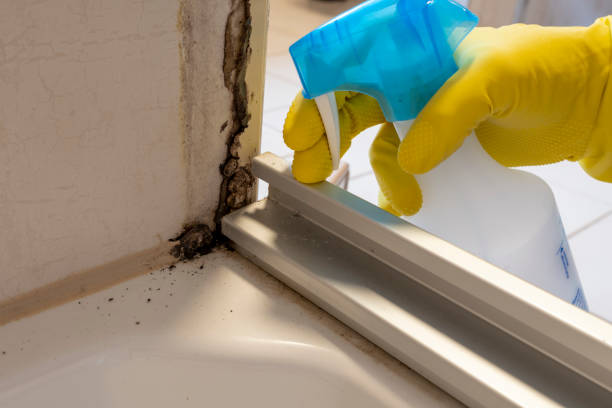
black mold on the window stock photo

When faced with mould problems, selecting the right mould removal company is a critical step in ensuring that your home or workplace is safe and healthy. A reliable company will not only remove visible mould but also address underlying issues to help prevent recurrence. Below, we detail key factors to consider when choosing a reputable service provider.

Look for Proper Certifications

  • IICRC Certification (Institute of Inspection, Cleaning, and Restoration Certification): Indicates the company follows established protocols for mould remediation.
  • NORMI Certification (National Organization of Remediators and Mold Inspectors): Shows expertise in assessing, testing, and removing mould properly.
  • State Licenses: Ensure the company complies with local regulations and guidelines for mould remediation.

Certifications reflect the company’s commitment to quality services and adherence to strict industry practices.

Prioritize Experience in Mould Remediation

  • Years in business: A longer track record often indicates consistent service quality.
  • Case studies or testimonials: Look at reviews or examples of successful projects they’ve completed.
  • Specialization: Companies that specialize exclusively in mould testing and removal are better equipped than general contractors.

An experienced team will be well-versed in handling both common and complex cases, ensuring accurate diagnosis and long-lasting results.

Assess Their Inspection Process

  1. Visual Assessments: Identifying visible signs of mould growth on walls, ceilings, floors, or HVAC systems.
  2. Air Quality Testing: Measuring airborne spore levels to determine if hidden mould exists behind surfaces or within ventilation systems.
  3. Moisture Detection: Using advanced tools like thermal imaging cameras or moisture meters to find water leaks contributing to the problem.

The more comprehensive their inspection process is, the more likely they are to pinpoint all sources of the issue.

Evaluate Their Safety Protocols

  • Wearing personal protective equipment (PPE) such as masks, gloves, and suits during remediation.
  • Isolating contaminated areas using physical barriers like plastic sheeting.
  • Deploying high-efficiency particulate air (HEPA) filtration systems to capture spores during cleanup.

Their adherence to these protocols ensures minimal risk during removal processes.

Request Detailed Pricing Estimates

Service Estimated Cost Range
Initial Inspection $200 – $600
Air Quality Testing $250 – $500 per sample
Mould Removal/Remediation $500 – $6,000 depending on severity

Always ask about warranties or guarantees on their work to ensure peace of mind after completion.

Communication Matters

  • Explaining findings from tests in simple terms.
  • Providing written reports on potential hazards linked with identified strains of mold.

Effective communication prevents misunderstandings while empowering you make informed decisions about necessary next steps .

By examining these factors carefully ,you’ll increase likelihood hiring experts capable resolving pressing indoor environment concerns.

Certification, Experience, and Why They Matter in Choosing a Mold Removal Company Lakeland, FL

When it comes to mould testing, the decision to hire a professional service shouldn’t be taken lightly. A reputable mould testing company can make the difference between identifying a hidden problem early and dealing with costly long-term damage. Two critical factors to consider when choosing such a service are certification and experience.

Importance of Certification

These credentials ensure that technicians are trained in proper sampling techniques, analysis methods, and safety protocols. Companies without certification may lack essential knowledge or use unreliable methods, putting your health at risk.

Why Experience Counts

  • Identify less obvious sources of moisture that contribute to mould growth.
  • Distinguish between harmless natural fungi and potentially harmful mould species like Stachybotrys chartarum (black mould).
  • Offer practical advice on how to mitigate contamination risks based on unique environmental conditions.

An experienced technician will also have faced various complexities in past cases, which equips them with the adaptability needed for addressing unusual or severe infestations.

Key Questions to Ask Before Hiring

  1. What certifications does your team hold?
  2. How many years of experience do you have in residential or commercial mould testing?
  3. What types of equipment do you use for testing?
  4. Can you provide references from previous clients?
  5. Do you offer detailed written reports on test results?

Comparing Certified vs Non-Certified Services

Aspect Certified Services Non-Certified Services
Training Thorough industry-standard training Unverified or limited training
Equipment Advanced tools like air samplers & moisture meters Basic or outdated equipment
Reporting Accuracy Comprehensive reports with actionable insights Potentially incomplete or ambiguous findings
Liability Protection Backed by insurance & adherence to regulations Higher risk due to lack of standards

Final Thoughts

Choosing a certified and experienced professional ensures accurate results while minimizing risks associated with incorrect assessments or inadequate safety measures during testing. Investing time upfront in researching qualifications can save significant stress down the road by safeguarding both your property’s structural integrity and your family’s health.

Advanced Safety Protocols and Equipment for Mold Remediation Lakeland, FL

When it comes to mould testing, the process isn’t just about identifying the presence of mould; it’s about ensuring accuracy, safeguarding health, and preventing future contamination. A reliable mould testing service should employ rigorous safety protocols and advanced equipment to deliver precise results while protecting both the occupants and technicians involved.

Why Safety Protocols Are Crucial

  • Protect Technicians: Without adequate safeguards, professionals may inhale mould spores or come into contact with harmful contaminants during inspections.
  • Prevent Cross-Contamination: Poor handling of mould samples or equipment can spread spores to unaffected areas within a building.
  • Safeguard Occupants: Ensuring that testing is done safely minimizes exposure risks for residents or employees in a property.

Key safety measures used by reputable companies include:
1. Use of personal protective equipment (PPE) like gloves, respirators, goggles, and full-body suits. 2. Establishing containment zones with plastic sheeting to isolate affected areas. 3. Use of HEPA-filtered vacuums and air scrubbers to control airborne spores during inspection or sampling.

Adherence to these protocols not only ensures safe practices but also maintains the integrity of test results by preventing external interference.

Advanced Equipment in Mould Testing

Equipment Purpose
Moisture Meters Detect excessive moisture levels in walls, floors, or ceilings—common indicators of hidden mould growth.
Thermal Imaging Cameras Pinpoint temperature variations that signal water intrusion or damp areas where mould thrives.
Air Sampling Pumps Collect air samples to measure spore concentration within a specific area for lab analysis.
Surface Sampling Kits Capture physical samples from suspect surfaces for detailed laboratory examination.

These tools provide detailed insights into both visible and invisible signs of mould infestation, helping professionals identify root causes accurately.

Combining Technology with Expertise

While advanced technology plays a pivotal role in effective mould testing, it is equally important that technicians have the expertise to interpret results correctly and devise appropriate solutions. A qualified professional will know how to use these tools effectively without compromising sample integrity or endangering anyone on-site.

Look for companies that follow industry standards set by organizations like the Indoor Air Quality Association (IAQA) or American Industrial Hygiene Association (AIHA). Certification from such bodies demonstrates commitment to best practices in safety and technical proficiency.

Key Takeaways

  • Safety protocols ensure protection for everyone involved in the testing process while maintaining accurate results.
  • Modern tools like moisture meters, thermal cameras, and air sampling pumps are indispensable for precise detection.
  • Experienced professionals equipped with knowledge and certifications are crucial for turning data insights into actionable solutions.

By prioritizing safety alongside technology and expertise, you can ensure that mould testing doesn’t just detect issues but also sets you on the right path toward resolving them efficiently and effectively while minimizing health risks.

Mold Testing Lakeland, FL: How Odor and Air Testing Can Reveal Hidden Mould in Your Home

Mould growth in your home is not always visible to the naked eye. It can thrive behind walls, beneath floors, or within HVAC systems, making it difficult to detect. However, hidden mould poses just as much risk to your health and property as visible mould. This is where odour detection and air quality testing come into play as essential tools for revealing hidden mould problems.

Signs of Hidden Mould Growth

While some signs of mould are visible, hidden mould often manifests through subtle symptoms such as:
Persistent musty odours: Unexplained earthy or damp smells that remain even after cleaning may signal the presence of hidden mould.
Increased allergy symptoms: Frequent sneezing, itchy eyes, or respiratory issues occurring indoors could indicate airborne spores from unseen mould colonies.
Water damage indicators: Peeling paint, warped walls or flooring, and staining can hint at moisture problems that encourage mould growth.

The Role of Odour Detection

Odour detection plays a significant role in identifying possible areas of concern. While musty smells alone cannot confirm the presence of mould, they do offer critical clues about where to begin inspections. Professionals trained in detecting these odours can narrow down problem areas for further testing.

Air Testing: A Scientific Approach to Hidden Mould

  1. Collection of air samples: Using specialized equipment such as spore traps or bioaerosol samplers, technicians capture a sample from indoor spaces.
  2. Lab analysis: Samples are sent to a laboratory for microscopic examination, where experts identify the type and concentration of mould spores present.
  3. Comparison with outdoor levels: Indoor readings are compared against outdoor air samples to determine whether there is abnormal indoor contamination.

Air testing is particularly useful when visual inspection yields no obvious signs but health symptoms or odours persist.

When Should You Consider Air Testing?

You may need air testing if you notice any of these red flags:
– Recurring respiratory issues without an identifiable cause
– Persistent unpleasant odours despite cleaning efforts
– History of water damage in your home but no visible signs of mould

Additionally, if you’re purchasing a new property or suspect previous flooding incidents in the building’s history, professional air testing ensures that hidden risks are uncovered before committing.

Indicator What it Could Mean Recommended Action
Musty Smell Potential concealed moisture or fungus Conduct a thorough inspection
Health Symptoms Possible airborne spores Schedule professional air quality tests
Water Damage History High likelihood of hidden contamination Include professional assessment

Why Hire Professionals for Mould Detection?

Detecting hidden mould requires expertise and specialized equipment that go beyond DIY methods like household dehumidifiers or surface cleaners. Certified professionals use scientifically backed techniques—like thermal imaging cameras combined with air sampling—to locate even deeply embedded colonies effectively.

By leveraging odour analysis alongside advanced air testing methods performed by qualified experts, homeowners can take proactive steps toward maintaining healthier living environments free from invisible threats like hidden mould growth.

Woman Cleaning Mold From Wall stock photo

Understanding the Dangers of Black Mould and How Lakeland Mold Removal Services Can Protect Your Health

Black mould, scientifically known as Stachybotrys Chartarum, is a toxic type of mould that can pose significant health risks if left unaddressed. It thrives in damp, humid environments and often develops in areas with water damage, poor ventilation, or persistent moisture. Understanding the dangers of black mould and why professional testing is crucial can help protect your home and your health.

Why Is Black Mould Dangerous?

Black mould releases tiny spores into the air, which can be inhaled or come into contact with skin. These spores contain harmful mycotoxins that may cause various health problems, particularly in individuals who are sensitive to allergens or already have respiratory issues.

  • Respiratory problems (e.g., coughing, wheezing, nasal congestion)
  • Allergic reactions such as itchy eyes or skin rashes
  • Chronic fatigue or headaches
  • Asthma exacerbation
  • Severe symptoms in immunocompromised individuals or young children

Long-term exposure to black mould has also been linked to more serious conditions such as neurological effects and internal organ damage in extreme cases. Its impact varies depending on the individual’s sensitivity and the level of exposure.

Why Professional Testing Is Essential

Detecting black mould isn’t always straightforward. It can grow in hidden areas like behind walls, under carpets, or inside HVAC systems where it’s not immediately visible. Here’s where professional testing services come into play.

  • Accurate Identification: Professionals use advanced techniques to distinguish between black mould and other harmless types.
  • Comprehensive Inspection: Experts assess both visible and hidden areas prone to infestation.
  • Air Quality Analysis: Airborne spores are measured using specialized equipment.
  • Customized Solutions: Based on test results, professionals recommend tailored removal strategies.

Key Steps in Professional Mould Testing

Step Description
Initial Inspection Visual assessment of affected zones and identification of potential sources
Sampling Collection of samples from surfaces and air
Laboratory Analysis Samples analyzed under controlled conditions for accurate results
Detailed Reporting A report detailing findings along with remediation recommendations

Preventive Measures After Testing

  • Address any water leaks or moisture issues.
  • Ensure proper ventilation throughout your home.
  • Use dehumidifiers in high-humidity areas.
  • Regularly clean areas prone to dampness (e.g., bathrooms).

Professional testing not only ensures thorough detection but also safeguards the well-being of everyone in your household by providing actionable steps toward remediation. Investing in expert services can save you from long-term health complications while maintaining a safe living environment.

How to Remove Mould from Ceilings Effectively Without Damaging Your Home

Mould on ceilings is a common issue, particularly in areas with high humidity or poor ventilation. If left unchecked, it can lead to structural damage and health risks. Removing mould from ceilings requires a strategic approach to ensure it is done effectively without causing damage to the surface or compromising safety.

Step-by-Step Guide to Removing Mould from Ceilings

  1. Inspect the ceiling for visible mould growth and discoloration.
  2. Check for underlying causes such as water leaks, condensation, or poor ventilation.
  3. Consider professional testing if you suspect hidden mould beyond what is visible.
  4. Gather the Necessary Supplies
    Ensure you have the right tools and cleaning products:
  5. Protective gear (e.g., gloves, goggles, and a mask)
  6. A ladder or sturdy step stool
  7. Microfiber cloths or sponges
  8. Cleaning solutions such as white vinegar, hydrogen peroxide, or commercial mould removers
  9. A spray bottle
  10. Prepare the Area
    Protect surrounding areas by:
  11. Moving furniture out of the way or covering them with plastic sheets.
  12. Ensuring proper ventilation by opening windows and doors when possible.
  13. Clean the Mould Safely
    Follow these methods based on your ceiling type:
Ceiling Type Recommended Cleaning Method Notes
Painted Drywall Use a diluted vinegar solution (1 part vinegar to 2 parts water). Gently scrub with a microfiber cloth or sponge. Avoid using excessive moisture that can damage drywall integrity.
Popcorn/Textured Lightly mist with hydrogen peroxide and allow it to sit for 10 minutes before wiping gently with minimal pressure. Be cautious as textured ceilings are delicate; avoid scrubbing aggressively.
Wooden Ceilings Use mild soap mixed with water and apply sparingly with a soft brush for targeted cleaning of mould spots. Ensure wood is not oversaturated; use fans for faster drying afterward to prevent moisture retention.
  1. Post-Cleaning Inspection
    After cleaning, examine the area thoroughly:
  2. Check if all visible mould has been removed.
  3. Monitor any persistent stains that might indicate deeper damage requiring professional intervention.

Preventative Measures After Removal

  • Improve Ventilation: Install exhaust fans in bathrooms and kitchens where humidity levels are higher.
  • Control Humidity Levels: Use dehumidifiers in damp areas of your home.
  • Repair Leaks Promptly: Address roof leaks or plumbing issues immediately.
  • Regular Inspections: Periodically check ceilings and other high-risk areas for early signs of mould development.

When to Call Professionals

  • Large infestations covering more than 10 square feet.
  • Recurring growth despite thorough cleaning efforts.
  • Signs of structural damage due to long-term moisture exposure.

Professionals utilize advanced equipment like HEPA vacuums, infrared scanners, and industrial-grade disinfectants to handle severe cases safely and effectively.

By following these steps carefully and addressing underlying causes promptly, you can successfully remove ceiling mould while preserving your home’s integrity and ensuring a healthier living environment for everyone involved.


Finding the Best Mold Removal Company Lakeland, FL: Why Immediate Action Matters

Housekeeper Cleaning Mold From Wall With Sponge stock photo

Mold growth in your property can escalate quickly, leading to health risks and structural damage. When mold strikes, addressing it promptly with an emergency mold inspection is critical. Understanding the importance of this process can help protect your home, business, and overall well-being.

Why Emergency Mold Inspections Are Crucial

  • Health Concerns: Exposure to mold spores can cause respiratory issues, allergic reactions, and even chronic illnesses in vulnerable individuals such as children or those with compromised immune systems.
  • Structural Damage: Mold can weaken building materials like wood, drywall, and insulation over time. This reduces the structural integrity of your property.
  • Decreased Property Value: A property with visible or widespread mold issues becomes less attractive to buyers or tenants.

Addressing mold through an emergency inspection ensures that these risks are identified early and managed effectively.

Indicators That You Need an Emergency Inspection

  1. Black or green patches on walls, ceilings, or floors.
  2. Discoloration around wet areas (e.g., under sinks or around windows).
  3. A persistent damp smell could signal hidden mold growth behind walls or in ductwork.
  4. Chronic coughing, sneezing, watery eyes, or skin irritation may point to mold exposure.
  5. Recent floods or leaks create prime conditions for rapid mold development.
  6. Consistently high indoor humidity (above 60%) is a red flag for potential problems.

The Role of Professionals in Emergency Inspections

While DIY methods for detecting mold exist—such as at-home test kits—these solutions often lack the accuracy needed for effective remediation planning. Professional inspectors bring expertise and advanced tools like infrared cameras and moisture meters to locate both visible and hidden sources of mold growth.

They also conduct air quality tests to determine spore concentrations indoors versus outdoors.

DIY Testing Professional Inspection
Limited accuracy Comprehensive evaluation
No specialized tools Advanced equipment
May miss hidden issues Detects hard-to-reach areas

By opting for a professional emergency inspection when facing potential mold problems, you gain reliable insights into the extent of contamination on your property.

Benefits of Acting Quickly

  • The longer you wait, the more expensive repairs become due to increased damage.
  • Health risks grow as spore counts rise.
  • Remediation timelines lengthen if infestation spreads across multiple areas of a building.

Acting swiftly not only saves money but also ensures a healthier environment for occupants.

When faced with potential mold problems on your property, recognizing the importance of an emergency inspection equips you with knowledge to act decisively before matters spiral out of control.

Understanding the Urgency of Lakeland, FL Mold Removal and How to Take Action

Mold growth in homes or commercial properties is more than just an unsightly problem. It can compromise the structural integrity of your property, harm indoor air quality, and have serious health implications for occupants. Acting quickly when mold invades your space is critical to minimizing damage and ensuring a safe environment.

Understanding the Risks of Delayed Mold Remediation Lakeland, FL

  • Health Complications: Mold releases spores that can trigger allergies, respiratory issues, and other health concerns. Prolonged exposure may exacerbate symptoms such as coughing, sneezing, asthma attacks, and skin irritation.
  • Structural Damage: Mold feeds on organic materials like wood, drywall, and insulation. Over time, it weakens these structures and necessitates costly repairs or replacements.
  • Spread of Mold: Mold reproduces quickly in humid environments. Delayed action allows it to spread throughout your property, increasing the scope of remediation efforts required.

Urgent Signs You Need Mold Testing Lakeland, FL

  • Persistent musty odors
  • Visible dark spots on walls or ceilings
  • Increased allergy-like symptoms among occupants
  • Unexplained water stains or leaks
  • Warped walls or floors indicating moisture buildup

Effective Lakeland Mold Removal Services and Time-Sensitive Actions to Consider

  1. Identify the Source of Moisture
    Mold thrives in moist environments; finding and stopping the source (e.g., leaky pipes, roof damage) is critical to halting its growth.
  2. Schedule an Emergency Mold Inspection
    Professional inspections provide a thorough assessment of affected areas and identify hidden mold colonies not visible to the naked eye.
  3. Isolate Affected Areas
    To prevent the spread of spores during inspection and remediation processes:
  4. Seal off contaminated areas using plastic sheeting.
  5. Turn off HVAC systems in affected zones.
  6. Avoid DIY Remedies
    While cleaning small patches with household solutions might seem tempting, improper handling can disperse spores further into your home.
  7. Document Everything
    Take photos or videos for insurance purposes if filing a claim related to water damage or mold remediation costs.
Action Purpose Example Tools/Products Needed
Identify Moisture Source Prevent continued mold growth Flashlight, moisture meter
Schedule Inspection Determine full extent of infestation Certified mold inspector
Isolate Affected Areas Contain contamination Plastic sheeting & tape

The Role of Professional Help

  • Conducting detailed assessments using advanced tools like thermal imaging cameras.
  • Offering solutions tailored to your property’s specific needs.
  • Implementing containment strategies during removal efforts for maximum safety.

Timely action combined with professional expertise ensures that mold-related issues are resolved quickly before they escalate further into long-term problems that are harder—and more expensive—to address later on.

Step-by-Step Guide to Emergency Mold Inspection Protocols

Taking swift and appropriate action when mold is suspected is essential to prevent further damage and health risks. Emergency mold inspection involves a structured approach that ensures the issue is properly identified, assessed, and managed. Below is a step-by-step guide to the protocols followed during an emergency mold inspection.

1. Initial Assessment

Before diving into the inspection itself, it’s important to conduct an initial assessment of the situation to determine the severity of the problem.

  • Visible growth on walls, ceilings, or other surfaces
  • Musty or damp odors in certain areas
  • Water stains or discoloration on walls or floors
  • Increased respiratory issues among occupants
  • Gathering Information: Homeowners or property managers should provide details such as recent water damage incidents, leaks, or flooding history that could have triggered mold growth.

2. Containment of Affected Area

  • Use plastic sheeting and tape to seal off spaces where mold is present.
  • Turn off HVAC systems temporarily in impacted areas to prevent air circulation from spreading spores.
  • Restrict access to affected zones until full inspection and remediation are complete.

3. Personal Protective Equipment (PPE) Usage

PPE Item Purpose Examples
Respirators Prevent inhalation of harmful spores N95 masks or full-face respirators
Gloves Protect hands from contaminants Nitrile or latex gloves
Protective clothing Minimize skin exposure Tyvek suits

4. Visual Inspection

  • Inspect common problem spots such as basements, attics, bathrooms, kitchens, and crawl spaces.
  • Use flashlights to examine dark corners and hidden spaces like behind furniture or inside cabinets.
  • Check for signs of water intrusion such as wet surfaces, peeling paint, warped wood, or bulging drywall.

5. Moisture Mapping Using Tools

  • Thermal Imaging Cameras – Reveal temperature anomalies that indicate potential moisture buildup.
  • Moisture Meters – Measure water content in building materials like wood, drywall, and concrete.

6. Sampling Methods (If Necessary)

  1. Air Sampling – Determines spore concentration in different parts of the property.
  2. Surface Sampling – Uses swabs or tape lifts from suspected surfaces for laboratory analysis.
  3. Bulk Sampling – Involves collecting pieces of material (e.g., drywall) directly for testing.

This data helps differentiate between types of molds present (e.g., allergenic vs toxic molds).

7. Documentation and Reporting

  • Photograph every identified issue alongside notes about size and location.
  • Record environmental conditions such as indoor humidity levels at various points during inspection.
  • Provide clients with detailed reports summarizing findings along with recommendations for remediation.

Monitoring After Inspection

-Regularly monitor problem-prone areas until repairs/remediation occurs .

dirty tile cleaning and mold removing from grout stock photo

Post-Inspection Actions: Moving From Mold Test Results to Effective Remediation

After completing a mold inspection, receiving the results is just the beginning. The real challenge lies in interpreting those results and developing an effective remediation plan to ensure the safety and health of your property’s occupants. This process involves careful planning, prioritization, and communication with qualified professionals. Below is a detailed guide to help you move from mold test results to actionable remediation strategies.

Assessing Your Mold Test Results

Understanding your mold test report is critical before taking any action. Mold tests typically provide information about:
Mold Species Identified: Certain molds, such as Stachybotrys chartarum (black mold), are more harmful than others.
Spore Concentration Levels: High levels of airborne spores indicate active growth and contamination risks.
Location of Contamination: Knowing specific areas of infestation helps target remediation efforts effectively.

Take time to review the report with your inspector or an environmental specialist who can clarify technical details and suggest the appropriate next steps.

Prioritizing Areas for Remediation

  1. High-Risk Zones – Spaces with active leaks, visible signs of mold growth, or high spore concentrations should be addressed immediately. These areas pose significant health risks if left untreated.
  2. Moderate-Risk Zones – Rooms or spaces adjacent to contaminated areas that may show early signs of mold but lack widespread growth yet should be monitored closely during remediation.
  3. Low-Risk Zones – Areas without current contamination but where preventive measures like dehumidification or improved ventilation would help avoid future problems.

Using this tiered approach ensures that resources are focused where they’re needed most.

Developing a Tailored Remediation Plan

  • Use plastic sheeting and negative air pressure systems to isolate infected spaces during cleanup.
  • Seal off HVAC systems to prevent spore spread through air circulation.
  • Non-porous materials like glass or metal can often be cleaned with detergent solutions.
  • Porous materials such as drywall may need removal if deeply contaminated.
  • Fix underlying issues contributing to moisture buildup, such as plumbing leaks or structural leaks.
  • Install dehumidifiers in humid environments or improve ventilation systems where airflow is inadequate.
Material Type Cleaning Method Replacement Needed?
Non-Porous (e.g., Tile) Chemical Cleaning + Scrubbing Rarely Required
Semi-Porous (e.g., Wood) HEPA Vacuum + Solution Treatment Sometimes (If Damage Is Extensive)
Porous (e.g., Carpet) HEPA Vacuum + Removal Often Recommended

Consulting professional remediation teams ensures that these steps are completed according to industry standards like those outlined by IICRC S520 guidelines for mold damage restoration.

Monitoring Progress During Remediation

Effective communication throughout the process is essential for success:
1. Request regular updates from contractors regarding progress milestones. 2. Use follow-up tests post-remediation to confirm that spore levels have returned to safe thresholds. 3. Keep documentation for insurance purposes and future reference regarding resolved issues.

By staying involved during each phase—inspection interpretation, prioritization, planning, execution—you can ensure long-term outcomes protecting both property value and occupant health adequately without shortcuts taken in addressing hidden dangers potentially arising elsewhere later untreated

Questions to Ask Before Hiring a Professional for an Emergency Mold Inspection

1. Are You Certified or Licensed for Mold Inspection?

Start by confirming whether the professional holds relevant certifications or licenses to perform mold inspections in your area. Common certifications include:
NORMI (National Organization of Remediators and Mold Inspectors)
ACAC (American Council for Accredited Certification)
IICRC (Institute of Inspection, Cleaning, and Restoration Certification)

A properly certified inspector ensures adherence to industry standards and best practices.

2. Do You Offer Both Inspection and Remediation Services?

Some companies specialize in either mold inspection or remediation, while others offer both services. It’s important to clarify this upfront as combining these services under one company may lead to a conflict of interest—where inspectors might exaggerate findings to upsell remediation work. Independent inspection firms can provide unbiased results in such cases.

3. What Methods Do You Use for Testing Mold?

Understanding their testing methods is critical since there are various techniques available, including:
Air Sampling: Measures mold spores present in the air. – Surface Sampling: Collects samples from visible mold growth through swabbing or tape lifts. – Bulk Testing: Analyzes materials like drywall or carpet suspected of harboring mold. – Moisture Mapping: Uses thermal imaging tools or moisture meters to locate areas of high humidity.

Ask if their chosen methods align with your specific infestation scenario and desired outcomes.

4. How Long Will It Take To Receive Test Results?

Time is often a critical factor when dealing with emergency situations involving mold. Discuss timelines for receiving test results and subsequent recommendations so you can plan remediation efforts without undue delays.

5. Do You Provide a Detailed Report After Inspection?

Ensure that the inspector provides a clear, detailed report upon completion of their assessment. The report should include:
– Findings on the location and extent of mold growth. – Types of molds detected (if applicable). – Recommendations for remediation plans.

This document serves as an essential tool for addressing the issue effectively with remediation teams.

6. Can You Provide References or Customer Reviews?

A reputable professional will have no problem sharing references from previous clients or pointing you toward independent customer reviews online. These testimonials can give valuable insight into their reliability, expertise, and customer service quality.

7. What Safety Protocols Do You Follow During the Inspection?

Inspecting for mold often involves working in potentially hazardous environments, especially if toxic molds like Stachybotrys (black mold) are present. Ask about their safety protocols, such as personal protective equipment (PPE) usage and containment measures during inspections.

Table Summary – Key Questions Checklist

Question Why It Matters
Are You Certified or Licensed? Ensures professionalism & adherence to standards
Do You Offer Both Inspection & Remediation? Prevents potential conflicts of interest
What Methods Do You Use for Testing Mold? Verifies thoroughness & suitability
How Long Will Results Take? Helps manage time-sensitive situations
Do You Provide Detailed Reports? Provides clarity & actionable insights
Can You Share References/Reviews? Confirms track record & customer satisfaction
What Safety Protocols Are Followed? Protects health during hazardous inspections

Hiring the right expert begins with being an informed consumer; asking these questions ensures you’re partnering with someone who has both technical expertise and integrity in delivering effective solutions during emergencies caused by mold infestations.


The Importance of Choosing Certified Lakeland, FL Mold Removal Services

Woman Cleaning Mold From Wall stock photo

Selecting the right mold remediation company is critical to ensure the safety of your home or business, as well as the health of those who live or work there. Mold is not just unsightly; it can also cause structural damage and pose serious health risks if left untreated. When dealing with mold issues, hiring a certified mold remediation company ensures that the problem is addressed effectively and professionally. Below are some key reasons why choosing a certified company matters.

Expertise Backed by Certification

A certified mold remediation company has undergone rigorous training and testing to meet industry standards. Certifications from organizations like the Institute of Inspection Cleaning and Restoration Certification (IICRC) or the National Organization of Remediators and Mold Inspectors (NORMI) signify that the team is equipped with the knowledge to handle mold issues in compliance with recognized guidelines.

  • Certified companies follow established protocols for mold inspection, containment, removal, and disposal.
  • They use advanced equipment such as HEPA vacuums, air scrubbers, and moisture meters to ensure comprehensive removal.
  • Ongoing education ensures up-to-date knowledge, so they are aware of any new techniques or regulations in the field.

Health Safety Standards

Mold exposure can lead to respiratory issues, allergic reactions, or exacerbation of pre-existing conditions like asthma. A certified company prioritizes health safety by following best practices for containment and removal.

Key health-focused benefits include: – Use of personal protective equipment (PPE) during clean-ups. – Isolation of affected areas with physical barriers like plastic sheeting. – Proper ventilation practices to prevent further airborne contamination.

Liability Protection

Hiring a certified mold remediation company protects property owners against liability issues should something go wrong during the process. Certified professionals are insured and licensed, reducing legal risks while providing peace of mind that you’re working with credible experts.

Factor Certified Companies Non-Certified Companies
Training & Knowledge Industry-certified training programs Limited or no standardized training
Equipment Quality Advanced tools like HEPA filters Basic or outdated tools
Health Protections Strict adherence to safety standards Potentially unsafe practices
Insurance Coverage Fully insured for liability May lack sufficient insurance

Long-Term Solutions

Mold problems often stem from underlying issues such as poor ventilation or water leaks. A certified remediation company does more than just remove visible mold; they identify root causes and recommend solutions to prevent recurrence.

Examples include: 1. Fixing leaks in roofing, plumbing, or walls. 2. Improving home ventilation systems. 3. Conducting humidity control assessments to prevent future growth.

By addressing these factors alongside immediate cleanup efforts, certified professionals help protect your property from future infestations while maintaining its long-term value.

Key Questions to Ask Before Hiring

To ensure you’re working with a trustworthy provider: – Are you licensed and insured? – What certifications do your technicians hold? – Do you provide an estimate after inspection? – Can you explain your process for containment and cleanup?

Selecting a certified mold remediation company ultimately minimizes risks while ensuring thorough cleanup services tailored to your specific situation. The expertise they bring can save time, money, and stress in addressing what could otherwise become an ongoing issue if improperly handled.

Accreditation and Experience: Key Qualities of a Trusted Mold Removal Company Lakeland, FL

When dealing with mold concerns, choosing a qualified professional is critical. Accreditation and experience are two key aspects that ensure quality work and safety in mold mitigation. Understanding these factors can help you make informed decisions regarding mold remediation services.

Why Accreditation Matters in Mold Mitigation

Accreditation demonstrates that a company or individual has met specific industry standards and possesses the knowledge required to handle mold issues competently. Accredited professionals follow established guidelines, ensuring the mitigation process is conducted effectively while minimizing health risks.

Key benefits of working with an accredited company include:
Compliance with regulations: Accredited companies adhere to relevant local, state, and federal regulations regarding mold removal. – Use of approved methods: They follow industry-approved techniques to ensure efficient and lasting results. – Accountability: Accreditation often requires ongoing training, which ensures professionals stay updated on the latest practices.

Some recognized certifications include:
| Certification Body | Focus Area | Example Certifications |
|——————————————|——————————————|——————————————|
| Institute of Inspection Cleaning & Restoration Certification (IICRC) | Mold remediation standards | Applied Microbial Remediation Technician (AMRT) | | National Organization of Remediators & Mold Inspectors (NORMI) | Environmental health | Certified Mold Remediator (CMR) | | American Indoor Air Quality Council | Indoor air quality standards | Council-certified Microbial Consultant |

The Importance of Experience

While accreditation provides a baseline for competence, experience often separates skilled professionals from the rest. Professionals with years of experience bring not only technical expertise but also practical problem-solving abilities. This combination can significantly impact project outcomes.

Here’s why experience is essential: – Accurate identification of sources: Experienced technicians can identify hidden sources of moisture contributing to mold growth. – Tailored solutions: They customize remediation plans based on environmental conditions and the scale of contamination. – Prevention-focused approaches: Experience allows professionals to recommend effective prevention strategies to reduce recurrence.

Questions to Ask When Evaluating Accreditation and Experience

Before hiring a mold remediation service provider, consider asking the following questions: 1. What certifications does your team hold? 2. How many years have you been in business? 3. Do you have experience handling similar cases? 4. Can you provide references or case studies showcasing past work?

The Role of Trustworthy Professionals in Ensuring Safety

Mold exposure can pose serious health risks, including respiratory issues, allergies, and long-term illnesses. Therefore, hiring an accredited professional with substantial experience helps protect both property integrity and occupant health.

By prioritizing accreditation and professional expertise, property owners can be confident that their mold concerns will be addressed thoroughly while minimizing risks during restoration efforts. Always verify credentials before selecting a service provider to ensure your home or business receives the highest level of care possible.

Understanding the Importance of Mold Remediation Lakeland, FL Specialists and Their Certification

When dealing with mold issues, hiring a professional with proper credentials is essential to ensure the safety and success of the remediation process. One such credential is the Mold Remediation Specialist (MRS) certification. This certification signifies that a technician or company has met specific industry standards, gained specialized knowledge, and can handle mold-related challenges effectively.

What is MRS Certification?

The MRS certification is awarded to individuals who have undergone rigorous training and passed examinations to demonstrate their expertise in mold assessment and remediation. It ensures that a professional possesses both theoretical knowledge of mold behavior and practical skills in handling contamination.

  • Understanding Mold Types: Recognizing different types of molds and their potential risks.
  • Health Impacts: Knowledge about how mold affects indoor air quality and human health.
  • Assessment Techniques: Expertise in identifying and assessing the extent of mold contamination.
  • Remediation Methods: Proficiency in industry-approved approaches for safely removing mold.

Why Does MRS Certification Matter?

  1. Compliance with Industry Standards
    Certified specialists follow strict procedures aligned with state regulations and safety standards, minimizing risks associated with improper practices.
  2. Accurate Assessment
    An MRS-certified professional is equipped to conduct thorough inspections using advanced testing methods such as air sampling, moisture mapping, and thermal imaging.
  3. Effective Solutions
    Their expertise ensures that appropriate remediation measures are taken without causing further damage or spreading contamination.
  4. Health Protection
    Mold exposure can lead to respiratory issues, allergies, or even long-term health complications. Professionals with MRS certification understand how to mitigate these risks while prioritizing occupant safety during cleanup efforts.

What Should You Look for in an MRS-Certified Professional?

Factor Why It’s Important
Accreditation Verify certification from recognized authorities like IICRC (Institute of Inspection Cleaning & Restoration Certification).
Insurance Coverage Ensure they have liability insurance for added protection during remediation work.
Experience Look for professionals who have successfully handled similar projects before.
Customer Reviews Check online feedback or references from past clients for insight into their reliability and professionalism.

Advantages Over Non-Certified Technicians

  • Higher accountability
  • Greater accuracy in identifying hidden problems
  • Long-term effectiveness of remediation work

Hiring certified professionals reflects your commitment to safeguarding your property’s structural integrity as well as the health of its occupants. When faced with mold concerns, ensuring your chosen expert holds an MRS credential should be a top priority for peace of mind and quality results you can trust.

Expertise in Mold Identification and Removal

Licensed mold technicians are trained to identify different types of mold and understand their specific characteristics. This expertise allows them to:
– Pinpoint the source of moisture fueling mold growth.
– Distinguish between harmful black molds (Stachybotrys chartarum) and less hazardous varieties.
– Choose appropriate removal techniques based on the type, extent, and location of the infestation.

By accurately diagnosing the issue at hand, these specialists can implement targeted solutions that eliminate mold while minimizing damage to your property.

Adherence to Industry Standards and Regulations

Licensed technicians must operate according to rigorous industry regulations, including those set by organizations such as:
The Environmental Protection Agency (EPA) – For safe handling of toxic mold. – Industry associations like IICRC (Institute of Inspection Cleaning and Restoration Certification) – For standardized practices.

Compliance with these standards ensures that remediation efforts are conducted safely and thoroughly, reducing risks associated with improper handling of hazardous materials.

Advanced Tools and Techniques

Professional mold technicians use cutting-edge equipment to detect hidden infestations and remove them efficiently:
Moisture meters to measure dampness in walls or flooring.
Infrared cameras for detecting water leaks behind surfaces.
HEPA vacuums for removing airborne contaminants during cleanup. These tools enable precise treatment that goes beyond surface-level cleaning.

Tool/Equipment Function
Moisture Meters Detect moisture levels contributing to mold growth
HEPA Vacuums Capture airborne spores during remediation
Infrared Cameras Locate hidden water damage fueling infestations

Long-Term Prevention Strategies

Beyond removing visible mold, licensed professionals provide valuable guidance on preventing future outbreaks by addressing root causes like poor ventilation or plumbing leaks. Their recommendations may include: – Installing dehumidifiers in high-humidity areas. – Sealing cracks in walls or foundations where water enters. – Improving airflow through HVAC maintenance or window upgrades.

Liability Protection

Hiring unlicensed individuals can expose you to legal liabilities if something goes wrong during remediation efforts. Licensed contractors carry proper insurance coverage, protecting you from additional costs related to accidents or property damage caused during their work.

Peace of Mind

Knowing that licensed experts are tackling your mold problem provides peace of mind that the job will be done right the first time. Their qualifications ensure an efficient process aimed at safeguarding your health and preserving your property value.

Investing in licensed professionals for mold restoration is a critical step toward comprehensive resolution while mitigating health risks long-term. It ensures compliance with safety standards while delivering effective results tailored specifically for your situation.

Woman cleaning window with sponge, closeup view stock photo

What to Expect from Lakeland Mold Removal Services Provided by Professionals

When dealing with mold issues, hiring professional mold remediation services ensures a thorough, safe, and effective cleanup process. Understanding the scope of services provided by certified professionals can help set the right expectations and ensure optimal results. Below are key aspects of comprehensive mold cleanup services that homeowners and business owners should anticipate.

Detailed Mold Inspection and Assessment

Professional mold cleanup begins with a thorough inspection of the affected area to determine the scope of contamination. This step typically involves:
Identifying Sources of Moisture: Mold thrives in damp environments. Professionals investigate water leaks, high humidity levels, or other moisture sources contributing to mold growth.
Assessing Extent of Damage: Specialists evaluate how far the mold has spread and whether it has infiltrated structural components like drywall, flooring, or insulation.
Testing for Hidden Mold: Using advanced tools such as infrared cameras and moisture meters, experts assess hidden problem areas that might not be visible to the naked eye.

Containment Strategies

To prevent further spread of mold spores during remediation, containment measures are implemented. Common techniques include:
– Sealing off affected areas using plastic sheeting or barriers with negative air pressure systems.
– Employing High-Efficiency Particulate Air (HEPA) filters during cleanup to trap airborne spores effectively.

These steps are essential for minimizing cross-contamination in unaffected parts of your home or business.

Safe Removal of Mold-Infested Materials

Depending on the severity of contamination, professionals may need to remove materials compromised by mold growth. Examples include:
| Material Type | Action Taken |
|—————————|————————————————|
| Drywall | Cut out and replaced if severely damaged |
| Carpeting/Flooring | Removed if deeply infested |
| Insulation | Discarded in cases where moisture was absorbed |

Professionals follow strict safety protocols while handling contaminated materials to protect occupants’ health.

Cleaning and Disinfecting Surfaces

Once contaminated materials have been removed, remaining surfaces are cleaned using specialized techniques and products designed for efficiency without causing damage. This includes:
– Vacuuming with HEPA-filtered equipment to remove residual spores.
– Applying EPA-approved antimicrobial treatments that kill existing mold colonies while preventing future growth.

For porous surfaces like wood or concrete, deeper cleaning methods such as soda blasting may be employed.

Addressing Underlying Moisture Problems

Effective mold remediation is incomplete without addressing the root cause—moisture intrusion. Professionals perform necessary repairs such as fixing leaks, improving drainage systems around your property, or recommending dehumidifiers for ongoing humidity control.

Verification Through Post-Remediation Testing

After completing the cleanup process, many companies conduct post-remediation testing to ensure successful removal efforts. Air quality tests or surface sampling confirm that spore levels have returned to safe standards.

Testing Method Purpose Example Tools Used
Air Quality Sampling Measures airborne spore concentration Spore traps
Surface Swab Tests Detects residual contamination on surfaces Cotton swabs/laboratory

This final step provides peace of mind that your environment is safe for re-entry.

Hiring experienced professionals for comprehensive mold cleanup not only eliminates visible contamination but also safeguards against recurring issues by addressing underlying causes effectively—ensuring long-term protection for your property and health alike.

The Benefits of Scheduling a Professional Mold Test for Your Home or Business

Mold testing is an essential step in maintaining a safe and healthy indoor environment. While some homeowners or business owners may attempt to handle mold issues themselves, professional mold testing offers a level of expertise and precision that is difficult to replicate. Below are several benefits that highlight why scheduling a professional mold test is critical for your property.

Accurate Identification of Mold Types

  • Aspergillus – Often found indoors, can trigger allergies and respiratory issues.
  • Stachybotrys (Black Mold) – Toxic and harmful if left untreated, associated with severe health risks.
  • Cladosporium – Frequently found on wood and carpets; can cause allergic reactions.

A certified professional will use advanced tools to detect these molds and provide clarity regarding the scope of contamination.

Comprehensive Inspection Beyond Visible Areas

Mold often hides in areas not immediately visible, such as within walls, under flooring, or behind appliances. Professionals use specialized equipment like moisture meters, infrared cameras, or air quality monitors to locate hidden mold colonies that could otherwise go unnoticed.

  • Moisture Meters: Detect damp areas that may be conducive to mold growth.
  • Infrared Cameras: Identify temperature variations indicating moisture behind surfaces.
  • Air Quality Testing: Measures spore count levels in your indoor environment.

This thorough inspection ensures that all potential problem areas are identified.

Health Protection for Occupants

Exposure to mold spores can lead to various health problems ranging from minor irritations to severe respiratory conditions like asthma or chronic sinus infections. Professional testing reduces the risk by detecting harmful spore levels before they cause significant harm, especially for vulnerable populations such as children, elderly individuals, or those with compromised immune systems.

Prevention of Structural Damage

Mold growth doesn’t only affect air quality; it can also damage structures over time by breaking down organic materials like wood and drywall. Early detection through professional testing allows you to address these issues before they compromise the structural integrity of your property.

Material Affected Potential Damage Long-Term Risk
Wood Rotting Weakening of beams/frames
Drywall Staining/Cracking Deterioration requiring replacement
Carpets/Fabrics Odor/Discoloration Permanent damage

Tailored Remediation Plan Based on Results

One major benefit of hiring professionals is their ability to provide a customized remediation plan based on test results. Every case is unique—while some situations require minor repairs and cleaning solutions, others may demand extensive remediation efforts involving containment zones and specialized treatments.

  1. Identification of affected areas.
  2. Isolation of contaminated zones.
  3. Removal or cleaning procedures.
  4. Recommendations for preventing future outbreaks (e.g., improved ventilation).

By tailoring the solution to your property’s specific needs, professionals ensure effective long-term results.

Compliance with Health Standards and Regulations

For businesses especially, compliance with local building codes or health regulations regarding indoor air quality is critical. A professional mold test provides documentation that ensures you’re meeting these standards while protecting employees’ well-being.

Ultimately, scheduling a professional mold test provides peace of mind while safeguarding both your property’s value and occupants’ health against potential hazards associated with hidden mold growths.

Housekeeper's Hand With Glove Cleaning Mold From Wall With Sponge And Spray Bottle stock photo

Key Steps to Take When Addressing Mold Concerns Through Expert Testing

When mold concerns arise in a home or business, taking timely and effective steps is critical to ensure safety and prevent further damage. Expert testing can provide clarity on the type, extent, and source of mold issues. Below are the key steps to follow when addressing mold concerns through professional testing.

1. Identify the Signs of Mold Growth

  • Visible growth (black, green, or white spots) on walls, ceilings, or other surfaces.
  • Persistent musty odors in specific areas of a property.
  • Increased allergic reactions such as sneezing, coughing, or skin irritation.
  • Discoloration or water stains caused by leaks or moisture buildup.

If any of these symptoms are present, it’s time to contact mold specialists for expert testing.

2. Hire a Certified Mold Inspector

  • Holds relevant certifications such as an Indoor Air Quality (IAQ) certification or Mold Remediation Specialist (MRS) accreditation.
  • Has experience working in residential and commercial environments.
  • Uses advanced tools like moisture meters and infrared cameras for comprehensive assessments.

Hiring a certified professional ensures reliable results and minimizes the risk of overlooking hidden problems.

3. Conduct Thorough Testing

Test Type Purpose
Air Sampling Detects airborne mold spores in specific areas of concern
Surface Sampling Identifies mold growth on visible surfaces through swabs or tape lifts
Bulk Testing Analyzes materials like drywall or carpet for internal contamination
Moisture Mapping Locates hidden sources of moisture that sustain mold growth

These techniques provide insights into where remediation efforts should be concentrated.

4. Analyze Test Results

  • Types of molds identified (e.g., allergenic, pathogenic).
  • Concentrations of spores compared to acceptable indoor levels.
  • Areas affected by active growth and underlying causes like water damage.

This information helps determine whether immediate action is required.

5. Develop an Action Plan

  1. Removing contaminated materials safely.
  2. Repairing leaks or addressing humidity issues.
  3. Implementing long-term prevention strategies such as improving ventilation.

A clear strategy ensures effective mitigation while reducing recurrence risks over time.

Final Thoughts on Expert Mold Testing

Addressing mold concerns proactively through expert testing not only protects health but also preserves property integrity. By following these key steps—identifying signs early, hiring certified inspectors, conducting thorough tests, analyzing results carefully, and implementing corrective measures—you can tackle even complex cases with confidence and professionalism.


Understanding Lakeland, FL Mold Removal Costs and What to Expect in the Future

dirty tile cleaning and mold removing from grout stock photo

Mold remediation is an essential process for maintaining a safe and healthy environment in your home. However, understanding the associated costs and future considerations is crucial for effective planning. Below is an in-depth exploration of mold remediation costs, what factors influence them, and potential trends to keep in mind.

The Current Costs of Mold Remediation

Mold Remediation Service Average Cost Range (USD)
Professional Mold Inspection $200 – $600
Basic Mold Remediation (Small Area) $500 – $1,500
Extensive Mold Remediation (Large Area) $2,000 – $6,000
HVAC Cleaning After Mold Contamination $2,000 – $8,000

Note: These figures are estimates and may differ depending on geographic location or company pricing.

Factors Driving Current Costs

  • Size of Affected Area: A smaller space like under a sink will cost less than basement-wide contamination.
  • Type of Mold Present: Black mold (Stachybotrys), which poses severe health risks, typically requires more intensive removal methods compared to common household molds like Penicillium or Cladosporium.
  • Labor Requirements: Services involving specialized equipment or trained technicians often incur higher labor costs.
  • Structural Damage: In cases where mold has compromised drywall or framing, additional repairs will add to expenses.

Future Trends in Mold Remediation Costs

  1. New detection tools such as AI-based sensors could lower inspection costs by enhancing accuracy.
  2. Advanced remediation techniques like dry ice blasting may reduce treatment times but could drive up initial investment.
  3. Homeowners are increasingly seeking non-toxic cleaning agents for mold removal.
  4. While eco-friendly options may cost more initially, they are becoming more accessible over time.
  5. Some insurers now offer limited coverage for mold-related damages if caused by a covered peril (e.g., burst pipe). It’s important to review your policy details carefully.
  6. Rising humidity levels due to climate change may lead to higher instances of household mold outbreaks.
  7. This could result in greater demand—and potentially higher costs—for professional services.

Practical Steps for Cost Management

  • Schedule regular home inspections in areas prone to moisture accumulation (e.g., basements or attics).
  • Address leaks or water intrusions promptly before they contribute to larger infestations.
  • Consider investing in a dehumidifier or improved ventilation systems as preventative measures.
  • Obtain multiple quotes from reputable service providers before committing to any one contractor.

By staying informed about current costs and anticipating changes in the industry landscape, you can better prepare yourself for managing both immediate needs and long-term mitigation strategies related to mold remediation efforts.

Detailed Guide to Costs with a Trusted Mold Removal Company Lakeland, FL

Understanding the costs associated with mold inspection and testing is an essential step for homeowners. These services provide valuable insights into the extent of any mold problem, helping to determine the necessary remediation steps. Below is a detailed breakdown of typical costs and what they cover.

Average Cost of Mold Inspection

The average cost of a professional mold inspection typically ranges between $200 and $600. However, this price can vary depending on the size of your property and your location. For larger homes or properties over 4,000 square feet, costs may rise to $900 or more.

Here are some common factors that influence inspection costs:
Property Size: Larger homes require more time to inspect, thus increasing the fee. – Accessibility: Hard-to-reach areas such as crawl spaces or attics may add to labor costs. – Urgency: Expedited services often come with additional charges. – Experience of Inspector: More experienced professionals may charge higher rates but offer greater expertise.

Types of Mold Testing and Associated Costs

Mold Testing Method Average Cost Range Description
Air Sampling $200–$400 Measures mold spores in the air inside your home.
Surface Sampling $150–$300 Tests specific surfaces for visible mold growth.
Bulk Testing $100–$300 Analyzes materials like drywall or insulation for contamination.
Culture Testing $150–$500 Identifies specific strains by growing mold samples in a lab.

Keep in mind that some professionals combine multiple tests depending on the severity and scale of infestation.

Additional Costs During Mold Assessment

Beyond testing fees, there may be other expenses involved during the inspection process:
Travel Fees: If you are located far from an inspector’s service area, expect additional travel charges ranging from $50 to $100. – Post-Test Reporting: Some inspectors provide detailed lab reports or remediation recommendations at an extra cost (approximately $50–$150). – Infrared Thermography: Advanced tools like infrared cameras to detect hidden moisture can add another $200 to your bill.

DIY Kits vs Professional Services

While there are DIY mold testing kits available at prices ranging from $20 to $60 per kit, they have notable limitations:
– Lack of accuracy compared to professional-grade equipment. – Inability to provide comprehensive analysis or expert recommendations. – Often fail to detect hidden mold growth deep within walls or flooring.

Given these drawbacks, hiring a certified professional is usually more reliable when addressing potential health risks linked to indoor mold exposure.

What Should Homeowners Expect?

When budgeting for mold inspection and testing services:
1. Allocate funds based on your home’s size, condition, and accessibility challenges. 2. Be aware that additional lab analysis or specialized tools may increase costs. 3. Remember that early detection through proper assessment can ultimately save you money by preventing extensive damages requiring costly repairs.

Investing in thorough inspection and testing ensures you understand the scope of any issue before committing to remediation efforts—helping protect both your property value and health over time.

Understanding Mold Remediation Lakeland, FL: Key Factors That Affect Costs

Mold remediation costs can vary significantly depending on several contributing factors. Understanding these key elements can help homeowners budget effectively while ensuring their homes are safe and free from harmful mold growth. Below, we break down the primary factors that influence mold removal expenses.

1. Extent of Mold Contamination

The size of the affected area is one of the most significant determinants of mold remediation costs. Larger spaces require more resources, time, and labor to address properly.

  • Small-scale contamination (less than 10 square feet): $500–$1,500
  • Moderate contamination (10–100 square feet): $1,500–$5,000
  • Extensive contamination (over 100 square feet or multiple areas): $5,000–$25,000

A professional inspection is often needed to assess how widespread the issue is before a quote can be provided.

2. Type of Mold

Not all molds are created equal when it comes to remediation requirements. The type of mold present in your home will impact the removal process and associated costs.

Type Health Risks Cost Impact
Allergenic Mold Mild respiratory irritation Lower cost ($500–$3,000)
Pathogenic Mold Can harm immune-compromised individuals Moderate cost ($1,000–$6,000)
Toxic Mold (e.g., Black Mold) Severe health risks such as neurological issues Higher cost due to specialized care ($2,000–$20,000)

Toxic molds require protective equipment and advanced containment measures, increasing overall costs.

3. Location Within the Home

Where mold appears plays a pivotal role in how complex—and expensive—the remediation process becomes.

  • Attics: Difficult access and insulation replacement increase costs.
  • Bathrooms: Plumbing leaks often need repair alongside mold removal.
  • Basements: High moisture levels may require waterproofing after cleanup.
  • HVAC Systems: Contaminated ventilation systems necessitate specialized cleaning methods and can be among the most expensive locations to remediate.

Each area presents unique challenges that contribute to variations in pricing.

4. Underlying Causes

  • Leaking roofs or windows
  • Burst pipes or plumbing failures
  • Poor ventilation leading to excess humidity

Fixing these underlying issues adds extra expenses on top of basic mold removal costs but helps prevent future infestations.

5. Professional vs DIY Approaches

  • Proper containment measures
  • Advanced equipment like HEPA vacuums
  • Adherence to safety regulations

Hiring experts ensures thoroughness but comes at a higher price tag compared to trying DIY solutions for minor growths.

Effective Tips for Managing Mold Testing Lakeland, FL Costs

  1. Address water damage promptly—prevention is more affordable than remediation.
  2. Hire certified professionals with experience in handling severe cases.
  3. Request quotes from multiple companies and compare services offered.
  4. Consider inspecting your home regularly for early signs of mold growth like musty odors or discoloration on walls and ceilings.

Understanding these factors allows homeowners to prepare themselves financially while ensuring their families remain safe from potential health hazards associated with mold exposure.

Comprehensive Guide to Lakeland Mold Removal Services and Costs by Location in Your Home

The cost of mold remediation can vary significantly depending on where the mold is located in your home. Each area presents unique challenges, and understanding these factors can help homeowners plan for potential expenses. Below, we provide insights into how location impacts remediation costs and what you can expect.

Common Locations for Mold Growth and Their Associated Costs

  1. Basements are highly prone to mold because they are typically damp and poorly ventilated.
  2. Cost Range: $500 – $4,000 depending on the severity of the issue.
  3. Additional costs may include waterproofing services or repairs to cracks in foundation walls.
  4. Bathrooms frequently harbor mold due to constant moisture from showers, sinks, and toilets.
  5. Cost Range: $500 – $1,500 for smaller areas; larger infestations could exceed this range.
  6. Mold removal here often involves replacing drywall or re-caulking fixtures to prevent future growth.
  7. Leaky pipes under sinks or faulty appliances like dishwashers can lead to mold growth in kitchens.
  8. Cost Range: $1,000 – $3,000 depending on how far the damage extends behind cabinetry or flooring.
  9. Poor ventilation and roof leaks make attics a common space for mold outbreaks.
  10. Cost Range: $1,000 – $7,500 based on the size of the space and whether insulation needs replacement.
  11. Mold within HVAC systems can spread spores throughout the home, making it a critical issue to address quickly.
  12. Cost Range: $2,000 – $8,000 due to the complexity of cleaning ductwork or replacing components.

Factors That Influence Location-Specific Costs

  • Size of Affected Area: Larger areas require more labor, materials (like drywall), and time to remediate completely.
  • Severity of Infestation: Early detection reduces costs; advanced infestations may necessitate structural repairs.
  • Accessibility: Hard-to-reach areas such as crawl spaces or behind walls increase labor efforts and overall expense.
  • Additional Repairs: Areas such as basements may require waterproofing measures post-remediation.

Cost Breakdown Table by Location

Location Average Cost Range Potential Add-On Costs Common Repairs Needed
Basement $500–$4,000 Waterproofing foundation ($2K–$6K) Crack sealing; sump pump installation
Bathroom $500–$1,500 Re-caulking ($50–$200) Drywall replacement; tile re-grouting
Kitchen $1K–$3K Cabinet replacement ($300+) Pipe repair; floorboard replacement
Attic $1K–$7.5K Insulation replacement ($2K+) Roofing repairs; vent installation
HVAC & Ducts $2K–$8K Component replacements ($1K+) Cleaning ducts; air filter upgrades

Tips for Minimizing Costs Based on Location

  • Address small leaks promptly in kitchens and bathrooms before moisture spreads.
  • Install vapor barriers or dehumidifiers in basements to control humidity levels.
  • Ensure proper attic ventilation by inspecting soffit vents regularly.
  • Schedule routine maintenance for HVAC systems to avoid mold buildup over time.

By understanding how the location of mold affects remediation costs, homeowners can better anticipate expenses while taking preventive measures to avoid costly repairs in the future. Proper planning also ensures that necessary steps are taken not only to remove existing mold but also to create an environment that discourages regrowth across all areas of your home.

Man uses a sponge to remove stains of toxic mold and fungal bacteria on the wall in the corner near the door. Concept of condensation, moisture. Problems with ventilation. High humidity. stock photo

Evaluating Repairs and Reconstruction Needed After Mold Remediation

Mold remediation is a critical process to restore a safe and healthy living environment. However, once the remediation process is complete, homeowners often face the additional challenge of evaluating and addressing necessary repairs and reconstruction. Below, we’ll explore the various aspects of post-remediation repairs, factors influencing their costs, and tips to effectively manage these processes.

Common Types of Repairs After Mold Remediation

  • Drywall Replacement: Mold frequently grows on drywall due to its porous nature. In severe cases, affected drywall must be removed and replaced.
  • Flooring Repairs: Carpets, hardwood floors, or subflooring that have been heavily contaminated by mold may require repair or replacement.
  • Ceiling Restoration: If mold has infiltrated ceilings due to leaks or high humidity, sections may need to be repaired or replaced.
  • HVAC System Cleaning or Repair: Mold spores can spread through HVAC systems, necessitating thorough cleaning or component repairs to prevent future contamination.
  • Insulation Replacement: Insulation materials often need replacement if they have been exposed to significant mold growth.

Factors That Influence Repair Costs

  1. Larger areas with structural damage will require more extensive rebuilding efforts, driving up costs. Minor damage may only involve cosmetic finishes like repainting or refinishing surfaces.
  2. Restoration costs depend on the materials affected by mold damage (e.g., replacing hardwood versus laminate flooring). Higher-quality materials generally result in higher expenses.
  3. Labor rates differ by location; urban areas often have higher labor costs than rural regions for both contractors and specialized tradespeople.
  4. If water leaks or foundational issues contributed to mold growth, addressing these problems can add significant costs but is essential for preventing recurrence.
Component Average Cost Range
Drywall Replacement $1-$3 per sq ft
Carpet Removal/Replacement $8-$12 per sq yd
HVAC Cleaning $400-$1,000
Insulation Replacement $0.80-$2 per sq ft

Tips for Managing Post-Remediation Repairs

  • Hire Qualified Professionals: Choose certified contractors who specialize in post-remediation repairs to ensure proper restoration work is carried out.
  • Request Detailed Estimates: Obtain itemized quotes from multiple service providers for transparency in pricing.
  • Address Underlying Problems First: Fix any contributing issues such as leaks or poor ventilation before starting reconstruction efforts.
  • Prioritize Critical Repairs: Focus on essential structural restorations first before addressing non-critical aesthetic improvements.

Long-Term Considerations

Proper evaluation and execution of repairs after mold remediation are vital not only for restoring your home but also for preventing future infestations that could lead to repeated damages. Implementing preventative measures such as improving ventilation systems or installing dehumidifiers can help maintain a healthier indoor environment over time while protecting your investment in your property’s restoration.

The Impact of Different Types of Mold on Remediation Efforts and Costs

When dealing with mold in your home or workplace, it’s essential to understand that not all molds are created equally. Different types of mold can significantly influence the complexity, time, and costs associated with remediation efforts. Below is a detailed look into how various types of mold impact remediation and the financial implications involved.

Common Types of Mold Found Indoors

  1. Frequently found indoors.
  2. Can appear in various colors such as green, yellow, or white.
  3. Generally easier to remove but may still pose health risks like respiratory irritation.
  4. Often found on fabrics, wood surfaces, or HVAC systems.
  5. Its removal requires thorough cleaning since it spreads quickly but does not typically require aggressive remediation techniques.
  6. Known as “toxic black mold,” this type often causes severe health problems due to its mycotoxin production.
  7. Requires extensive remediation procedures and proper protective gear for safe removal.
  8. Common on water-damaged materials like wallpaper or flooring.
  9. Spreads quickly through the air, requiring containment during clean-up.
  10. Found in damp areas such as showers or under sinks.
  11. May require extensive drying techniques alongside remediation due to its preference for high-moisture environments.

How Mold Type Impacts Remediation Efforts

  • Testing Requirements: Some molds may require specific testing to identify them accurately before beginning treatment (e.g., Stachybotrys). This can increase costs by $200–$600 for professional testing services.
  • Containment Needs: Highly toxic molds like black mold often necessitate containment barriers during remediation to prevent spores from spreading throughout the property.
  • Remediation Intensity: Certain molds demand more rigorous cleaning methods or chemical treatments compared to less harmful strains like Cladosporium or Penicillium.

Estimated Costs by Mold Type

Mold Type Estimated Cost Range (Per Square Foot) Additional Notes
Aspergillus $10–$25 Typically requires standard cleaning
Cladosporium $15–$30 May require deep cleaning tools
Stachybotrys $20–$50 High costs due to toxicity and precautions
Penicillium $12–$28 Specialized equipment may be required
Alternaria $18–$35 Often involves drying equipment use

Factors Driving Cost Variations

  1. Extent of Growth: A small patch under a sink will cost less than a severe infestation across walls and ceilings.
  2. Material Affected: Porous materials like drywall often need replacement when contaminated by toxic molds such as Stachybotrys.
  3. Health Risks: Toxicity levels dictate whether professionals need additional safety measures during removal.

Professional vs DIY: Which Option Makes Sense?

While minor surface-level growths caused by non-toxic molds might be addressed using DIY methods with proper safety precautions, more hazardous types such as black mold necessitate professional intervention for safety reasons.

Hiring professionals ensures:
– Proper identification via testing – Use of advanced equipment for spore containment – Safe disposal practices

This approach minimizes risks while providing long-term solutions despite higher upfront costs.

Understanding how different types of mold impact remediation requirements enables property owners to make informed decisions about managing infestations effectively while budgeting appropriately for necessary services.

Can I Remove Mold Myself or Should I Rely on Professional Testing and Removal Services?

Deciding whether to address mold growth yourself or hire professional services depends on several factors, including the severity of the problem, the type of mold present, and your level of knowledge and experience with remediation. While some minor instances of mold can be resolved by homeowners using proper techniques, larger infestations or certain types of mold necessitate professional intervention. Below is a detailed analysis to help you make an informed decision.

When DIY Mold Removal May Be Suitable

  • Size: The affected area is small—less than 10 square feet (approximately a 3×3 foot patch)—as recommended by the Environmental Protection Agency (EPA).
  • Type of Mold: The mold is common household mold, such as Cladosporium or Penicillium, which pose lower health risks compared to toxic varieties.
  • Location: The mold is growing on non-porous surfaces like tiles, glass, or sealed countertops that are easier to clean.
  • Health Considerations: Neither you nor anyone in your household suffers from respiratory issues, allergies, asthma, or weakened immune systems.
  • Tools and Knowledge: You have access to proper personal protective equipment (PPE) such as gloves, goggles, and masks (N95 respirator), as well as appropriate cleaning supplies like bleach solutions or commercial antimicrobials.
Suggested Steps for DIY Mold Removal:
  1. Identify the source of moisture causing the growth and resolve it.
  2. Use PPE to protect yourself from spores during cleaning.
  3. Scrub non-porous surfaces with detergent and water.
  4. Discard any absorbent materials like carpets that cannot be salvaged.
  5. Monitor for reoccurrence after cleaning.

When You Need Professional Testing and Remediation

  1. Large Affected Areas: If the infestation exceeds 10 square feet or has spread behind walls or into HVAC systems.
  2. Toxic Mold Presence: If you suspect black mold or other toxic species based on visible signs (dark green/black patches) or health symptoms in occupants.
  3. Structural Damage: When mold has compromised building materials like drywall, insulation, or flooring.
  4. Recurring Issues: Persistent problems despite previous DIY attempts indicate underlying unresolved moisture issues best addressed by specialists.
  5. Health Risks Exist: Vulnerable individuals in your home require a higher standard of air quality during remediation efforts.
Advantages of Hiring Professionals:
Benefit Description
Expert Assessment Professionals conduct thorough testing to identify types and sources of mold accurately.
Safe Removal Trained technicians use advanced equipment and techniques to minimize spore spread during removal.
Long-Term Solutions They address not just surface-level issues but also root causes such as leaks or ventilation problems.
Compliance with Standards Abide by industry guidelines like those set by IICRC (Institute of Inspection Cleaning Restoration Certification).
Insurance Claims Certified reports provided by professionals may assist in insurance claims if eligible.

Cost Comparison: DIY vs Professional Services

While DIY efforts may initially appear cost-effective since they involve fewer upfront expenses for tools and supplies, hidden costs can accumulate when mistakes are made due to lack of expertise.

  • Cleaning supplies: $20–$100
  • PPE: $15–$50
  • Potential repairs due to improper handling: Variable
  • Small-scale remediation: $500–$1,500
  • Extensive cleanup with testing: $2,000–$6,000+
  • Complete reconstruction if necessary: $7,000+

Final Considerations

Ultimately, determining whether to handle a mold issue yourself depends on balancing risk factors against potential costs and benefits. For small-scale problems in low-risk environments without structural damage concerns, DIY removal might suffice if executed properly using recommended practices.

However, for homeowners facing large-scale infestations involving toxic molds—or those uncertain about mitigation steps—professional services provide peace of mind through safe handling and long-term prevention strategies tailored specifically for their property’s needs. Always weigh both options carefully before proceeding further into either route.